

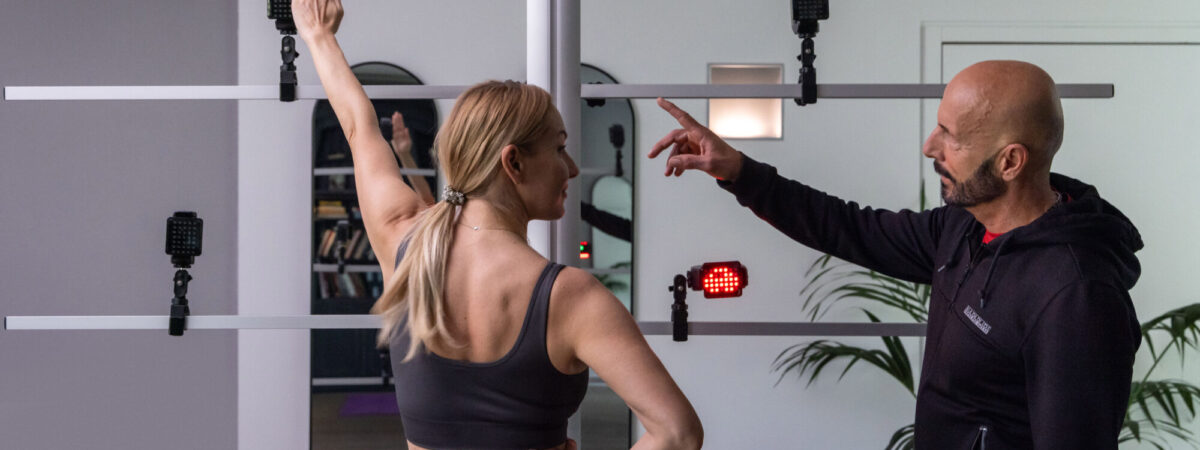
The Mental Health and Fitness Programme begins with a truth that is easy to overlook: stress, trauma, conflict, and unprocessed emotion do not stay in the mind. They settle in the body.
They show up as tension, fatigue, poor sleep, and a long list of physical symptoms that never quite get explained. Mental blocks keep us stuck, unable to reach our full potential or live the life that would fulfil us. We carry these things for years, often without realising how much weight we are holding.
Addressing that requires an approach that goes deep, not one that works only on the surface. That is exactly what the Mental Health and Fitness Programme is designed to do.
Why the Body Holds What the Mind Cannot
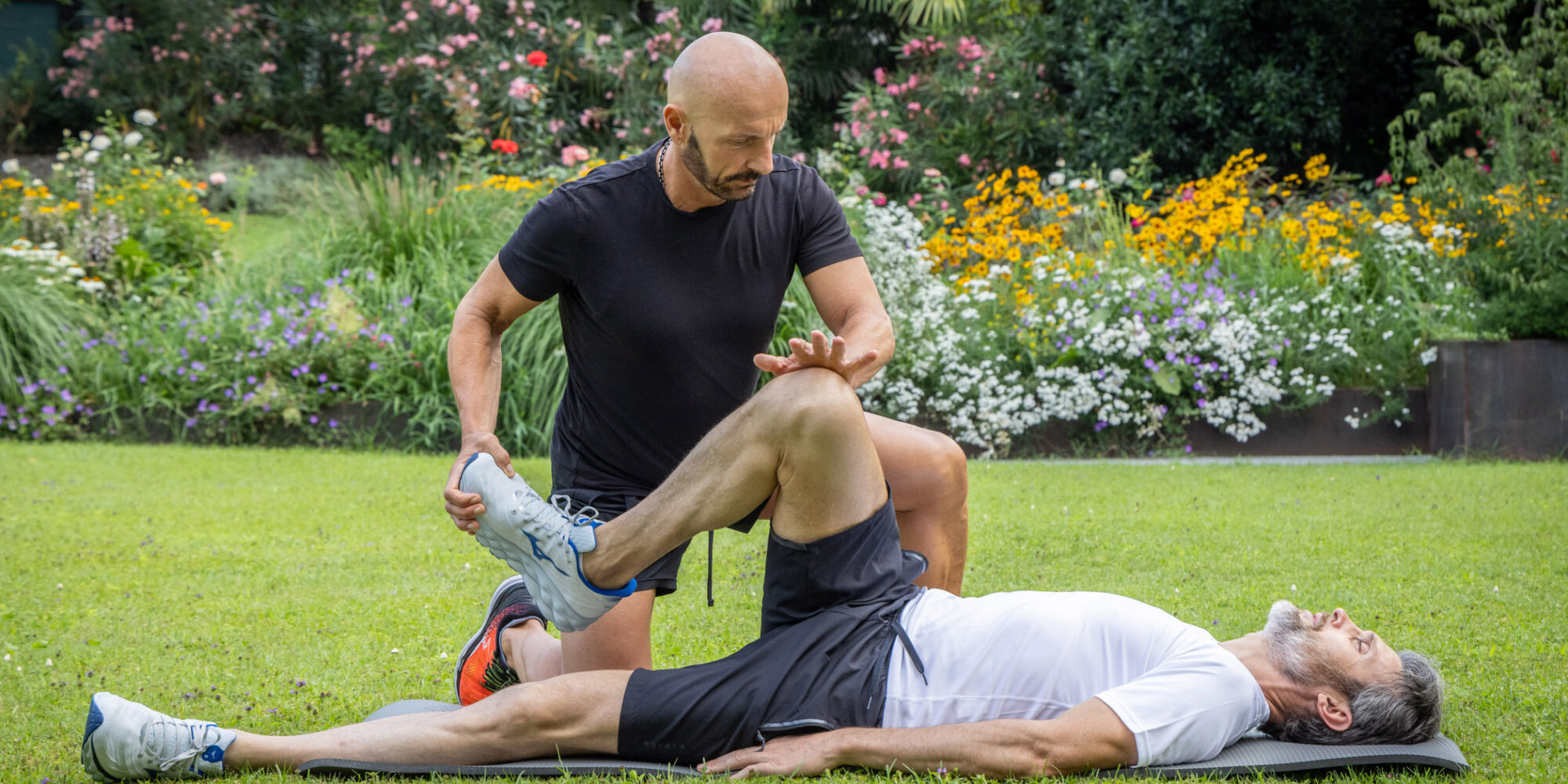
Most people try to solve mental health challenges with the mind alone. They think about it. They talk about it. They read about it. They journal, they reflect, they analyse. These approaches have value, but they miss something.
The body holds what the mind cannot process. Chronic stress creates muscular tension that never releases. Unprocessed emotion shows up as fatigue that rest does not resolve. Mental blocks manifest physically: in posture, breathing patterns, sleep quality, and the way we hold our shoulders or clench our jaw without noticing.
This is why talk alone often falls short. The body needs to be involved in its own healing. Movement, breath, and physical sensation give access to the nervous system in a way that conversation cannot.
Therapists sometimes describe this as working from the bottom up rather than the top down. Instead of trying to reason your way out of a state, you shift the state itself, through movement, through breath, through the physical experience of your own body. Once the state shifts, the thinking often follows more easily. It is a different route to the same destination, and for many people, it is the route that finally works.

How the Day Is Structured

Mornings begin with energising sessions. Functional training. Yoga. Guided runs. The goal is to boost mood, release endorphins, and set a positive tone for the day ahead.
This is not incidental. Exercise is one of the most reliable ways to shift mood and mental state, and the morning sessions are designed to make that effect intentional rather than accidental. These are followed by nourishing meals that support recovery and sustained energy, so the body has what it needs to keep going.
Throughout the day, a mix of structured workouts and restorative practices creates a balanced rhythm. Strength and cardio sessions sit alongside stretching, mobility work, or time in nature. Nothing is punishing. Everything is purposeful. The aim is never exhaustion for its own sake; it is balance, and balance requires as much recovery as it does effort.
Workshops explore the connection between physical activity and mental health, offering practical tools for managing stress, building resilience, and creating sustainable routines. These are not abstract discussions. They are designed to be used at work, at home, and in the moments when pressure builds.
Evenings for Recovery and Reflection
Evenings shift the focus inward. Gentle movement, relaxation techniques, or group discussions encourage connection and self-awareness. This is where the day’s physical work integrates with the mental and emotional.
Recovery is treated as seriously as exertion. That balance is what makes the programme sustainable rather than exhausting. Guests leave stronger, not depleted.
This is one of the most common observations from participants: they expected to feel tired by the end and instead felt clearer. The combination of exertion and genuine recovery produces a different kind of energy, one that lasts beyond the programme itself.
Fitness as a Tool, Not a Goal

The most important shift the Mental Health and Fitness Programme in the UK and Europe creates is a change in perspective. Fitness is not presented as a target to hit or a performance to maintain. It is presented as a powerful tool for improving mood, clarity, and long-term emotional wellbeing.
Participants leave understanding that movement is not separate from mental health. It is one of the most direct ways to influence it. That realisation tends to stay with people long after the programme ends, shaping how they approach their daily lives long after they have returned home.
Why the Deep Approach Matters
Surface-level solutions do not resolve what is held in the body. A weekend of distraction does not address unprocessed emotion. That is why this programme goes further, combining physical training with reflective practice and genuine psychological insight.
It is not therapy, and it is not a bootcamp. It is something more useful: a structured, supportive environment where body and mind are treated as one system, because they are.
Who This Programme Is For

The Mental Health and Fitness Programme suits anyone who has been carrying too much for too long. Executives under sustained pressure. Professionals who have not taken a proper break in years. Anyone who has tried rest alone and found it was not enough.
It also suits organisations. For employers thinking seriously about employee wellbeing, this offers something a gym subsidy cannot: structured, meaningful support for the people who need it most.
Practical Details
The programme takes place in the UK and Europe, ranging from one day to four days. That flexibility means it can fit around work and life, whether you need a single reset day or a longer immersion.
YOLO Travel can organise flights and transfers, handling the logistics so you can focus on the programme.
Book the Mental Health and Fitness Programme in the UK and Europe
This is not about pushing harder. It is about building the kind of strength that holds up under pressure, physical, mental, and emotional.
For anyone who has been carrying too much for too long, the Mental Health and Fitness Programme offers a way back to balance. Not through rest alone, but through movement, structure, and genuine care. Book the Mental Health and Fitness Programme in the UK and Europe with YOLO Travel.