

A Qatar wellness retreat rooted in Arabic medicine is not a European clinic with Arabian décor. It is a different model entirely, one built on Traditional Arabic and Islamic Medicine (TAIM), a healing system refined over centuries. At Zulal Wellness Resort, ninety minutes from Doha on the Arabian Gulf, that tradition is applied alongside modern science, across two distinct wings: the adults-only Serenity Spa and the family-friendly Discovery Spa.
What Traditional Arabic and Islamic Medicine Actually Is
TAIM is rooted in the Canon of Medicine, written by Ibn Sina (Avicenna) in the 11th century. It is a holistic system that assesses your unique temperament rather than treating symptoms in isolation.
The framework is built on the balance of four humours: blood (sanguine), phlegm (phlegmatic), yellow bile (choleric), and black bile (melancholic). A TAIM practitioner evaluates your dominant humour through pulse, tongue inspection, and a series of questions, then builds a personalised plan around restoring that balance.
This is the foundation of every programme at Zulal. A sanguine guest receives different herbs and therapies than a melancholic guest, even if they arrive with identical complaints. Nothing is generic.

The Treatments You Actually Experience at a Qatar Wellness Retreat Rooted in Arabic Medicine
The treatments draw directly from this tradition, delivered in lounges, hydrothermal suites, and grand spa facilities.
Herbal medicine is central. The apothecary holds dried rose buds, crushed olive leaves, turmeric roots, and custom blends labelled for specific concerns like sleep or weight management. Guests receive sachets to take during their stay and to bring home.
Cupping therapy, known as hijama, draws blood to the surface to boost circulation and restore balance. It has been used in the Middle East for millennia.
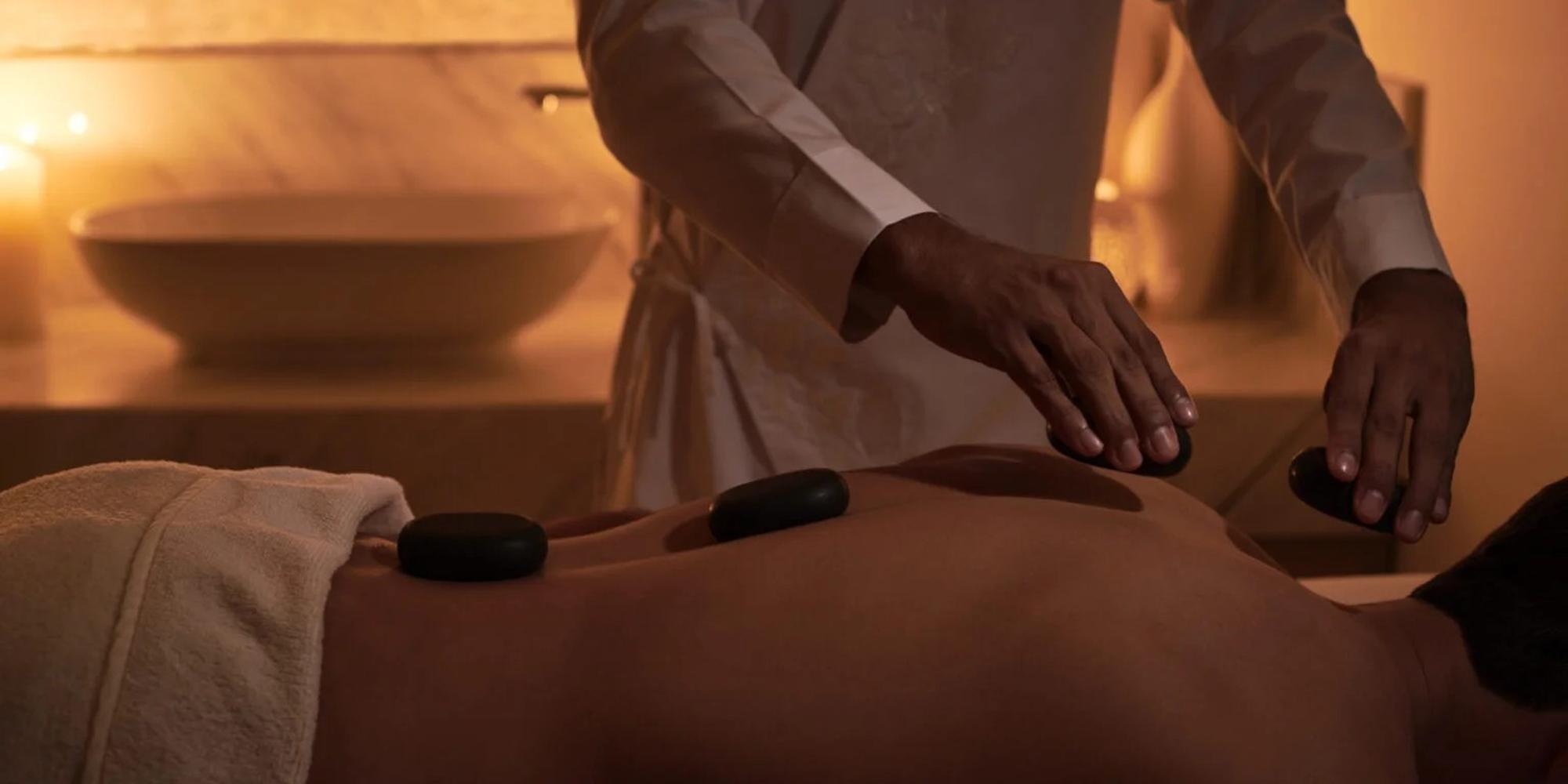
Massage takes several forms. Tadleek is a herb-infused oil massage. Hamiz is a traditional Qatari deep tissue massage. There is also Al-Batin (abdominal), Al-Ra’s (head), and Al-Qadam (foot reflexology).
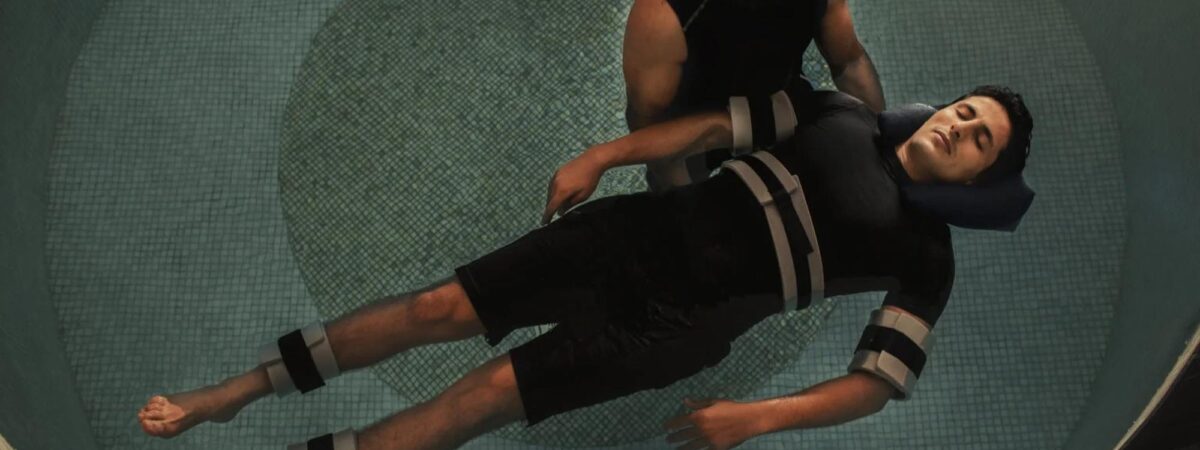
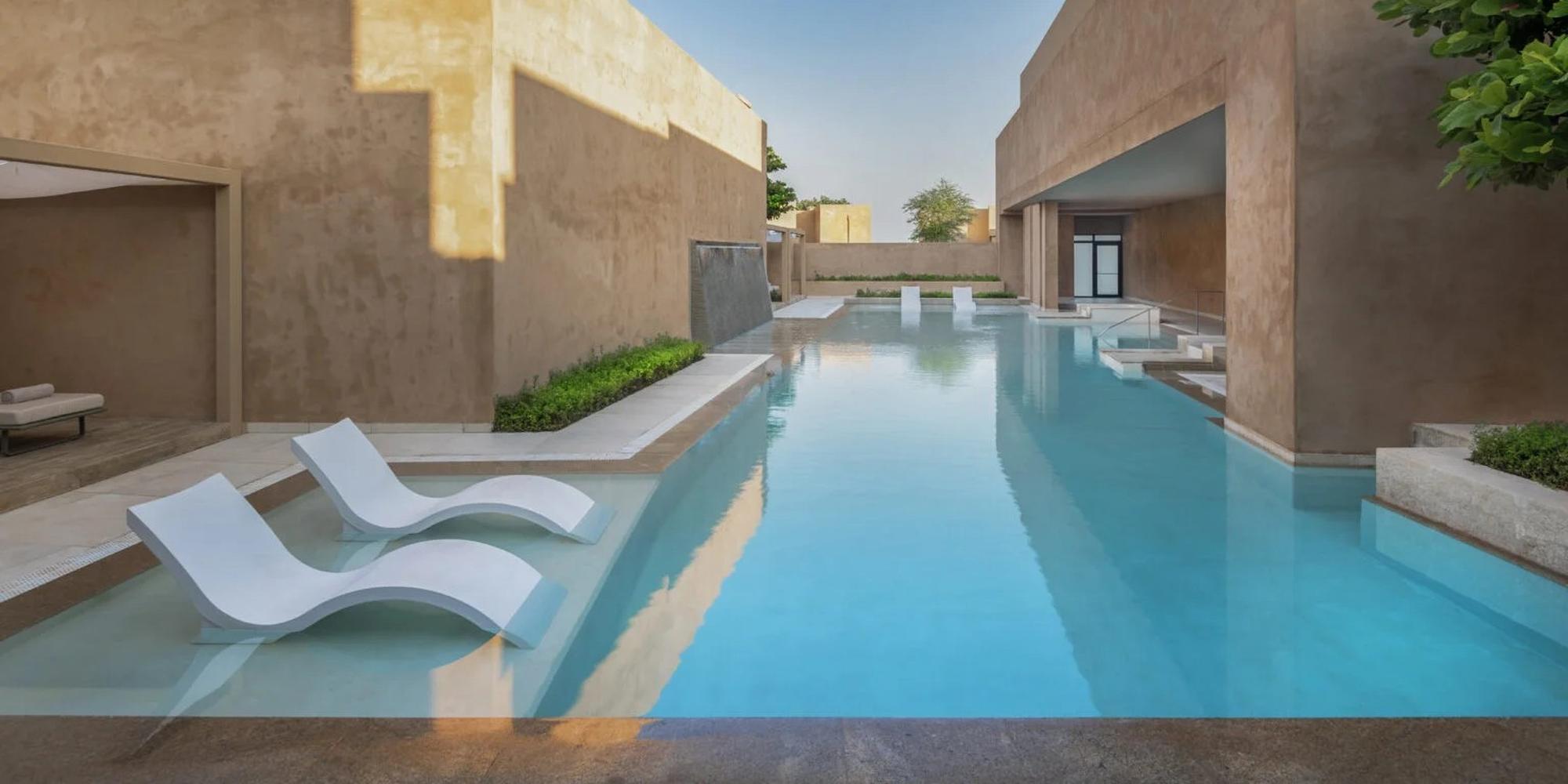
The hydrothermal circuit is a maze of mineral pools, hammams, ice rooms, and salt caves, offering profound physical healing. There is also sunrise Tai Chi by the sea, detox programmes, and therapies led by diagnostic practices.
How It Differs From European Medical Spas

European medical spas usually begin with blood work and clinical markers. That is valuable, but it is a different philosophy.
TAIM begins with the humours. Your dominant type determines not just your physical health, but your mental and emotional tendencies. The treatments, the herbs, the dietary recommendations, all flow from that initial assessment. It is a system that has been refined over centuries, and it is now being applied with modern medical oversight at Zulal.
What this means in practice is that the programme feels deeply personal, not protocol-driven. It also means the resort is not simply importing Ayurveda from India or TCM from China. It is practising an indigenous Arabian tradition.
The Family and Multi-Generation Angle at a Qatar Wellness Retreat Rooted in Arabic Medicine
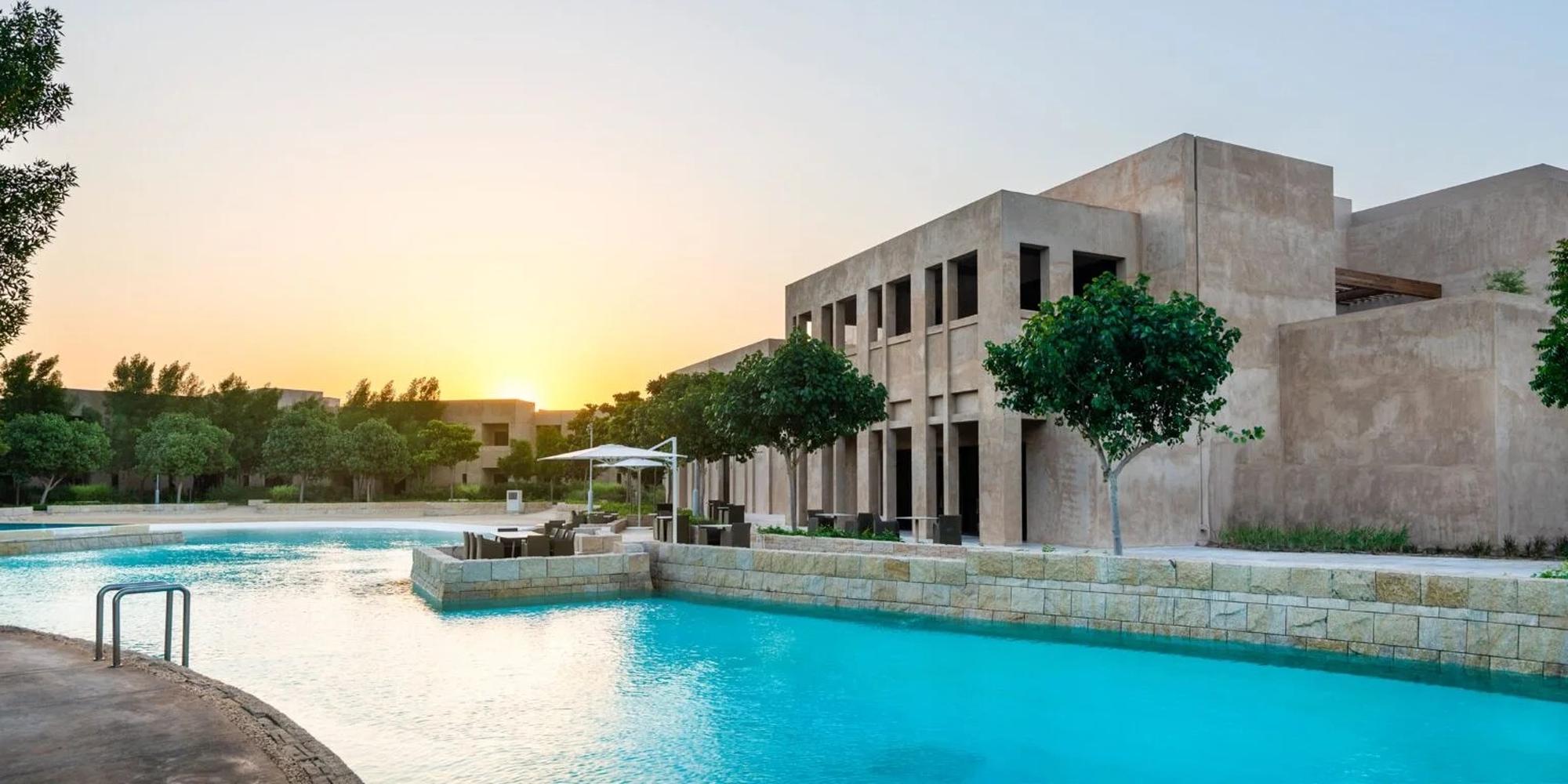
What sets Zulal apart from almost every other medical spa is its structure. It is split into two wings: Serenity, the adults-only sanctuary for guests aged 16 and over, and Discovery, dedicated entirely to families.
This is not a resort that tolerates children. It is designed around them.
Discovery offers programmes for children aged 9 to 15, including Digital Detox (mindful technology use), Fit 4 Life (physical habits), and Thrive (emotional intelligence). Younger children have age-specific spaces.
For multi-generational travel, Zulal has developed specific bundles. The Intergenerational Bundle includes nature walks, storytelling by the fire pit, pranayama breathing, and the Circle of Trust, a card game designed to foster empathy between family members of different ages. A dedicated grandparent-and-grandchild retreat has also launched, recognising the growing “Skip-Gen” travel trend.
The result is that a family can travel together, with adults receiving serious medical wellness programming while children learn the same principles in age-appropriate ways. No one is left waiting in a lobby.
The Food and the Setting
The gastronomic scene is elegant, plant-based, and fabulously indulgent without the guilt. Sidr honey, dates, and coconut sugar provide sweetness. Alcohol is not served. The focus is on nourishment that supports the rebalancing process.
The setting is a remote stretch of coastline on the Arabian Gulf, offering total privacy and refreshment. Service is unassuming, in a refined Qatari environment.
Why This Matters for the Region
Wellness travel in the Middle East is growing rapidly, but most properties are still finding their identity. Zulal is the first to build its entire philosophy around an indigenous medical tradition.
For travellers researching the region, including those looking at Saudi Arabia’s emerging offerings, this Qatar wellness retreat rooted in Arabic medicine represents a different model. It is not a European clinic with Arabian décor. It is an Arabian medical tradition given modern facilities, medical oversight, and family-friendly programming.
For a broader look at wellness in the region, our guide to the best luxury wellness hotel in Saudi Arabia for 2026 covers the Kingdom’s emerging offerings. But if you want to experience TAIM properly, Zulal is where it is practised.
What to Expect from a Stay
Programmes run from three to fourteen nights, covering areas like burnout recovery, weight management, detox, and fitness. A pre-arrival consultation begins the process, followed by daily treatments and ongoing adjustments based on how your body responds.
The focus is on nourishment, rest, and rebalancing. This is not a spa holiday with a medical label. It is a structured, doctor-led programme grounded in a tradition that has been refined over centuries. Book with YOLO Travel.